

Insurance appraisal services
Appraisal is the fastest way to settle a stuck claim.
When it's done right. We build the position in 48 hours, pick the appraiser, and drive it to a binding number.
You keep the client. We do the appraisal.
Submit an appraisal
Tell us about the file. We'll respond within one business day with a scope and a flat-fee quote.
percentage of the award.
typical
The cost of a stuck claim
A stalled claim doesn't sit still. It gets more expensive.
Every week a valuation dispute goes unresolved, somebody is paying for it. Appraisal exists to end that — it's the fastest resolution mechanism in property insurance and it doesn't require a courtroom. But it only works that way when the appraiser knows what they're doing.
For the property owner
Temporary housing, lost revenue, further damage from a repair that hasn't started, and a policy clock that keeps running.
For the contractor
A crew scheduled against a job that can't start, carrying costs on materials, a customer growing frustrated with the wrong party, and revenue sitting in a file.
For the adjuster
A file that can't close, a fee that can't be realized, and hours spent chasing a process instead of working new claims.
What a slow appraisal looks like — and what changes with a specialist
Why appraisals stall
- An appraiser who takes this work occasionally and prioritizes it accordingly
- A position furnished late, or furnished thin and rebuilt under deadline
- Weeks lost selecting an umpire because neither side knows the bench
- Documentation that invites another round of questions instead of closing them
What we do differently
- We furnish early. A position on the table creates pressure to respond.
- We document completely the first time, so the exchange converges instead of expanding
- We know the umpires and can move to selection without a stall
- We set timelines even where the appraisal clause sets none
Scope
We appraise. That's the entire job.
The value of a disinterested appraiser comes from being disinterested. Here's exactly what that means in practice.
What we do
- Serve as the named appraiser for the insured
- Establish a documented, defensible amount of loss
- Furnish and defend that position with the opposing appraiser
- Prepare the submission if the matter goes to an umpire
- Accept umpire appointments on files where we are not an appraiser
What we don't do
- Adjust the claim or represent the policyholder
- Negotiate coverage or liability with the carrier
- Take a percentage of the award
- Solicit your client for anything beyond the appraisal
- Pay or accept referral fees on appraisal work
Our engagement agreement is with the insured — it has to be, since the policy gives them the right to name and pay their own appraiser. It covers the appraisal and nothing else.
Who we work with
Built for the people who bring us the file.
You've done the work. We'll carry it through appraisal.
Your fee agreement means you can't serve as the appraiser yourself — but you choose who does. We pick the file up where you left it, establish a defensible amount of loss, and press the process to resolution. You keep the client, the fee, and your calendar.

The valuation is stuck. The job is stuck with it.
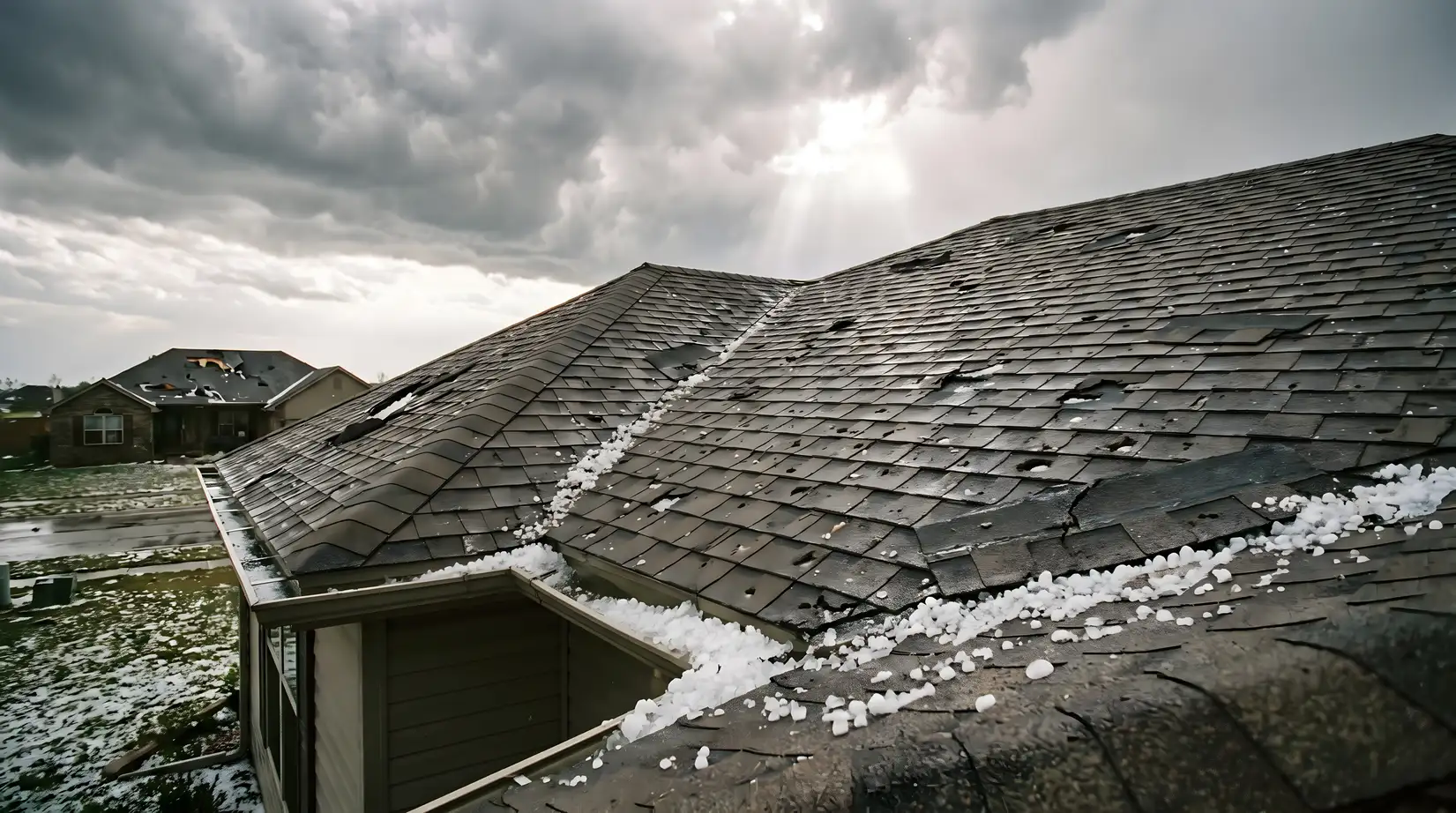
When the carrier's number won't fund a code-compliant repair, appraisal is usually the fastest way out — faster than supplements, faster than litigation. We value the loss from actual construction cost, not a desk estimate.

A valuation record built to survive review.
For first-party property matters where the dispute is amount of loss rather than coverage, appraisal resolves faster and cheaper than litigation. We document to a standard that holds up on subsequent review.
Work with us once, and you have a bench in fifty states.
Adjusters who work with us get access to the network we've built doing this: appraisers and umpire candidates across the country, engineers, code consultants, and forensic specialists — in the states where you don't yet have relationships. Cat season doesn't respect your license map. Ours reaches further than most.
Appraisal is all we do
Appraisal isn't a side business for us. It's the entire business.
Most appraisers are adjusters, contractors, or engineers who take appraisal work when it comes in. We built a firm that does nothing else — specialists supported by technology we built for this work, handling hundreds of files at once without any of them waiting their turn.

Specialists
Our appraisers come from adjusting, construction, and building science, and they do this work exclusively. Thousands of files across every peril and both residential and commercial.

Purpose-built technology
Our platform cross-references the file against policy language, local codes, and comparable losses. Every covered element gets identified and valued — nothing is left out because nobody looked for it.

Speed
Because this is all we do, nothing sits behind other work. We furnish early, hold timelines, and treat a delay as a problem to solve rather than a feature of the process.

Defensibility
Evidence, not estimates. Determinations documented to withstand challenge from any direction — opposing appraiser, umpire, or subsequent review.
Communication
You'll never have to ask where the file stands.
Ask an adjuster or a contractor what went wrong on their last appraisal and the answer usually isn't the number. It's that nobody told them anything for six weeks. That's a service failure, not a feature of the process, and it's the easiest thing on this page for us to fix.
01
A named appraiser
One person on your file, reachable directly. Not a queue, not a case number.
02
Updates you don't chase
A status update on a set cadence whether or not there's news — because "nothing moved this week" is information too.
03
Same-day acknowledgment
Anything you send gets confirmed the day it arrives, with what happens next.
04
Clear about the limits
We'll tell you at the outset what we can and can't discuss once sequestration applies, so silence never gets mistaken for neglect.
Where we work
Nationwide. With people who know New York, California, and Illinois.
Appraisal is a contractual process under the policy, and we accept appraiser and umpire appointments in all fifty states. Three of them get their own practice: New York, California, and Illinois have code requirements, construction costs, and procedural expectations that a national average doesn't capture.
Also active in: Texas · Colorado · Florida · Georgia · Illinois · all 50 states

Fees & engagement
Flat fee. Quoted before we start.
We are paid the same amount regardless of the outcome. This isn't a pricing preference — it is required. We operate this way to maintain our impartiality status in the event an award is ever challenged.
Scoped in writing
You get a fee quote and a scope of services before any work begins. No surprises, no supplemental billing on a closed scope.
No contingency
We take no percentage of the award and hold no financial interest in the amount of the loss. Impartiality is a requirement of the appraisal process, and our fee structure is how we hold it.
No referral fees
We neither pay nor accept referral compensation on appraisal engagements. Tell your client that — it's an asset for both of us.
Experience
Appraisal, across every peril.
states, residential and commercial
wind, hail, water, fire, wildfire
Common questions
About the engagement
Are you a public adjuster?


No. JustAppraisals provides appraisal services only. We serve as the named appraiser or as umpire in the appraisal process defined by the policy. We do not adjust claims, negotiate with carriers on behalf of policyholders, or represent insureds. Where a claim needs public adjusting, we'll say so and point you to firms licensed in that state.
How are you paid?
Flat fee, quoted and agreed in writing before we begin. We take no percentage of the award and have no financial interest in the amount of the loss. This isn't a pricing preference — it is required. We operate this way to maintain our impartiality status in the event an award is ever challenged.
Do you pay referral fees?
No — and we don't accept them either. If you refer a client to us, you receive nothing for it, which means you can tell them so plainly. On appraisal work that's a feature, not a limitation.
How much appraisal work have you actually done?
Thousands of appraisals across our team's history, with hundreds of files active at any given time. Appraisal is not a service line we added — it's the only thing we do.
What's your relationship to JustClaims?
JustAppraisals is an affiliate of JustClaims, LLC. The two operate as separate businesses with separate engagements: JustClaims is a licensed public adjusting firm that represents policyholders; JustAppraisals provides impartial appraisal services and represents no one. We do not serve as appraiser on a claim JustClaims is adjusting.
Process & service
How long does an appraisal take?
Most resolve in 30 to 60 days. Delays usually come from one side deprioritizing the process. Because appraisal is all we do, nothing sits behind other work — we furnish our position early, which creates pressure to respond, and we impose reasonable timelines even where the appraisal clause sets none.
How often will I hear from you?
On a set cadence, whether or not anything has changed — a week where nothing moved is worth knowing about. You'll have a named appraiser you can reach directly, and anything you send gets acknowledged the day it arrives.
How much can you communicate with the insured during the appraisal?
Once appraisal is invoked, the process operates under sequestration: communication with the insured is limited to process updates, not the substance of our position. We'll explain exactly where that line falls at the start, so silence never gets mistaken for neglect. You remain your client's point of contact for everything beyond process status.
Do you travel to the property?
Only when the file requires it. Where the documentation is thorough — and it often is when a good adjuster or contractor has been on site — we work from the file. Unnecessary inspections add time and cost to a process that should move quickly. Where an inspection is genuinely needed, we travel, or engage local experts to gather what's missing.
What happens if the two appraisers don't agree?
The matter goes to an umpire — a neutral third party who reviews both positions and issues a binding award. We build the record for that possibility from the start, so nothing has to be assembled under deadline, and we know the umpire bench well enough to move to selection without losing weeks to it.
Do you serve as umpire?
Yes, on files where we are not acting as an appraiser for either party.
For public adjusters
Will you take my client?
No. You keep the client, your fee agreement, and the relationship. Our engagement agreement is with the insured — it has to be, since the policy gives them the right to name and pay their own appraiser — but it covers the appraisal and nothing else. We won't approach your client about anything further, and because we're paid a flat fee, there's no version of this where doing so benefits us.
Why can't I serve as the appraiser on my own file?
Most appraisal clauses require a competent and impartial or disinterested appraiser. A public adjuster working under a contingency agreement holds a direct financial interest in the amount of the award, and carriers routinely challenge that. Naming an appraiser with no stake in the outcome removes the argument before it starts.
Do you redo the work I've already done?
No. Thorough documentation from the adjuster on the file is the most useful material we can get. We review it, build on it, and reach our own determination — we don't duplicate it.
Can you help in states where I'm not licensed?
We accept appointments in all fifty states, and we can point you to appraisers, umpire candidates, engineers, and code consultants in markets where you don't have relationships yet.
For contractors
Can I name the appraiser?
No — the named insured does. Appraisal is invoked by the policyholder or the carrier, and each side names its own appraiser. Your role is to recognize when a valuation dispute has stalled the job and make sure the owner knows appraisal exists. We'll give you a plain-language explainer you can hand them.
Is appraisal faster than filing supplements?
Usually, once the dispute is genuinely about the amount of loss rather than a documentation gap. Supplements can cycle indefinitely because nothing forces the carrier to conclude. Appraisal produces a binding number, typically in 30 to 60 days.
Will this cut me out of the job?
No. We value the loss; we don't manage the project, select trades, or take over the owner relationship. Our determination reflects what the repair actually costs to perform to code — which is the number you need the settlement to reach.
What if the dispute is about coverage, not value?
Appraisal determines the amount of loss, not whether the loss is covered. If the carrier is denying coverage rather than disputing value, appraisal isn't the right tool — the owner needs a public adjuster or an attorney. We'll tell you that up front rather than take the engagement.
About us
About JustAppraisals
JustAppraisals exists for one reason: the appraisal process only works when the appraisers are competent and genuinely impartial, and too often one of those is missing.
We're an affiliate of JustClaims, a property claims firm founded on the idea that policyholders shouldn't be outmatched by their own insurance policy. That work taught us how often a claim comes down to a valuation dispute nobody is equipped to resolve — and how much of the delay is avoidable. JustAppraisals is the answer to that: a dedicated appraisal practice, paid a flat fee, with no interest in whose number wins.
Our appraisers come from adjusting, construction, and building science, and they do this work exclusively — our appraisers have handled thousands of files across every peril, in all fifty states. We pair that with technology built specifically for property claims, which lets us establish a comprehensive amount of loss quickly and document it to a standard that holds up.

Have a claim that's stopped moving?
Send us the file. We'll respond within one business day with a scope and a flat-fee quote.